Thursday, October 7, 2010

Julian Rouas Paris Julian Rouas Paris Julian Rouas Paris Julian Rouas Paris


"To be somebody you must last." ~ Ruth Gordon

Food Icons: How have food icons sustained their popularity throughout the years? Why don't they don't age the way that we do? Tony The Tiger looks the same as when I was five years old and both The Pillsbury Doughboy and Charlie The Tuna bear not a single wrinkle upon their well advertised brows! Read on for their secrets and a smile or two.


From the valley of the Jolly Green Giant and the floors of Mr. Clean to the pastures of Elsie The Cow and the kitchen of The Campbell Kids, lies the fickle realm of television advertising where cartoons are born and cultural food icons are made. There's a thin line between a trademark and a food icon and it's one that not all cartoons pass with flying or other colors. Most of the more famous television food icons began their lives as animated trademarks; that is, they were used to represent a specific product. Born on the high-powered wings of the media (although not able to leap tall buildings in a single bound), these symbols have maintained the growing tide of their own fame. How many can recall the pleasing voice and face of Miss Chiquita Banana, luring us into the healthful world of the banana? Who could ever forget Charlie The Tuna, Tony The Tiger and The Pillsbury Doughboy? They too belong in the realm of television cultural food icons, but the question is: How did they get there in the first place?


Chiquita Banana is the oldest of the lot mentioned above. (I should never say that about a "fellow" female, but the truth is the truth.) She dates back to 1941 when Dik Brown, the same artist who produced the Campbell Soup Kids, created her. She helped teach consumers about the nutritional value of bananas and how to ripen them. The first live "lady of fruit" was Miss Patty Clayton in 1944. The most famous Miss Chiquita was Elsa Miranda (no relation to Carmen) who made numerous personal appearances in 1945 and 1946.


Miss Chiquita first appeared on labels to identify the Chiquita Brand bananas in 1963. Her likeness remained unchanged for years and she eventually reached the ranks of media immortality (icon-dom). Until 1987 she was a sexy banana lady, but still a cartoon. And then all that changed. Whether or not bananas pass through puberty may always remain a moot point, but artist Oscar Grillo, who created the Pink Panther, most definitely transformed Miss Chiquita into a sultry yellow lady with a mission. You can hear her lilting pleas for all humans to eat bananas in her own seductive words at: www.chiquita.com


Charlie The Tuna, that striving go-getter fish of the 1960s, is another character forever immortalized by the powers that media be. He made his debut on American television in a commercial for Starkist in 1961. All his machinations to be selected by Starkist for lovers of fine tuna have always resulted in failure and the salty old soul has always been forced to bear the rebuke in actor Herschel Bernardi's voice: "Sorry Charlie. Starkist doesn't want tuna with good taste. Starkist wants tuna that tastes good."


In Pago, Pago, American Samoa, the home of the Starkist canning factory, Charlie lives on in the form of a statue dedicated to his image. In case you can't find him, he's the jaunty-looking tuna on top of the pedestal wearing glasses and a red hat. A sign below him reads: "Home of Charlie The Tuna." Perhaps it is his tenacity and our need to root for the underdog that keeps Charlie forever in our hearts. Or maybe, alas, it's simply clever advertising. I'm afraid that only his ad agency knows for sure!


Back in 1952, the Kellogg Company held a contest to see who would represent their new cereal called: "Sugar Frosted Flakes of Corn." The contestants were Katie The Kangaroo, Elmo The Elephant, Newt the Gnu and Tony The Tiger. Tony was declared the winner, although it was nip and tuck with Katie the Kangaroo for a while. In 1953, Tony became the sole spokes-cartoon for Kellogg's "Sugar Frosted Flakes" cereal. Tony Jr. (originally referred to as "boy" and later as "son") made appearances along with Tony Sr. who obviously had paternity denial issues for a while.


Thurl Ravenscroft, whose career in radio, film and television has spanned more than 60 years, is and always has been the voice behind Tony the Tiger. Thurl had been well known in the field of jingles and commercials as part of a quartet known as The Mellomen. Kellogg sent him a sample script along with a character description and his active imagination did the rest! The pay-off line was always: "Tony, are Frosted Flakes any good?" And Tony would always say: "Good? Why they're great!" It was Thurl who came up with the much more explosive and effective: "Gr-r-r-r-r-eat!!"


The Pillsbury Doughboy was created by an ad agency called Leo Burnett. Pacific Data Images, a pioneer in the work of computer graphics for film and video, created the animated version of the lovable figure for the commercials. In October of 1965, the 14 ounce, 8 3/4 inch character made his television debut advertising Crescent Rolls. His original voice was that of actor, Paul Fries (1920-86). The Doughboy's co-star in the commercial was Maureen McCormick. He started his career with another name: Poppin' Fresh. He is all dough with blue eyes and always wears a baker's hat and scarf. His hometown is Minneapolis; he loves to bake and twenty years ago he had a wife and two children.


A mock funeral from a master of puns added the following paragraphs about his passing in the Spring of 2002:


"The Pillsbury Doughboy died yesterday of a yeast infection and complications from repeated pokes in the belly. He was 71.


"Doughboy was buried in a lightly greased coffin. Dozens of celebrities turned out to pay their respects, including Mrs. Butterworth, Hungry Jack, the California Raisins, Betty Crocker, the Hostess Twinkies and Captain Crunch. The gravesite was piled high with flours. Aunt Jemima delivered the eulogy and lovingly described Doughboy as a man for all seasonings who never knew how much he was kneaded.


"Doughboy rose quickly in the show business, but his later life was filled with turnovers. He was not considered a ‘very smart cookie', wasting much of his dough on half-baked schemes. Despite being a bit flaky sometimes, he was still considered a roll model for millions."Doughboy is survived by his wife, Play-Dough, two children, John Dough and Jane Dough; plus they had one in the oven. He is also survived by his elderly father, Pop Tart.


"The funeral was held at 3:50 for about twenty minutes."


Napoleon once said (and he should know) that glory is fleeting, but obscurity is forever. It is not known if the sister saying: "beauty fades, but stupid is forever" came from his mouth as well. Regardless, the man had a point. Time passes and what remains is only the whisper of recall to remind us of what once was. Miss Chiquita, the Campbell Kids, Tony the Tiger, Charlie The Tuna and the Doughboy are all mini legends in their own special way. They are all impressed deeply within my mind's eye where cultural icons never die and don't even get the chance to fade away!



H.V. avec des Lunettes de la Science by HaggisVitae


sex doll in St. Bernard Parish low income housing complex by jsdart


Julian Rouas Paris Julian Rouas Paris Julian Rouas Paris
drink mixers
drink mix
5 hour energy
Back Painted Glass Walls Julian Rouas Paris

Julian Rouas Paris Julian Rouas Paris Julian Rouas Paris Julian Rouas Paris


Morning sickness…sigh! Multiple trips to the bathroom and the beginning of a long relationship with the porcelain bowl. Take heart, it appears that morning sickness is associated with better pregnancy outcomes. Studies have also found that in women whose diet is mainly vegetarian without the dairy staples, morning sickness is uncommon. Food has a strong effect on your pregnancy so let us research little know facts about what they are good for.

Food and Pregnancy

Some people use ginger tea (but check with your doctor first) to soothe the morning sickness. For the sleepiness, several small meals throughout the day, high in carbohydrates and starch will alleviate the need to drop your head down at your desk. Lots of fruits and vegetables will also help build up your energy and detoxify you. They are also sources of vitamin B which will decrease the risk of neural tube defects (e.g. spina bifida) in your unborn child.

The foods you might want to avoid would be: 

1. Liver, liver products, and vitamin A supplements can lead to birth defects as they are high in vitamin A. 

2. While omega fatty acids are great for a growing child, shark, marlin and swordfish should be avoided as they tend to be high in mercury, which can lead to damage to the baby’s nervous system. 

3. BEER! Sorry, but it really does make a difference in your child. Children born to drinking mothers (actively drinking during pregnancy) tend to be born smaller, have a less developed cognitive sense, and sometimes have birth defects. The nine-month abstinence will do you both some good, and if you do chose to keep drinking, let that be your decision, and let the child make his/her own decision. Allow them a fighting chance in our highly competetive world. 

4. For those who have eczema, asthma or other food allergies, avoiding nuts and other allergy causing foods can help your child not develop allergies. 

5. No raw foods as you could get listeria or another bacterial infection with dire consequences for your young child. 

6. No smoking. See number 3. The reasons are the same.

Pamper yourself, find time to do the things you enjoy, and just celebrate you and the little one.  Eat healthy little meals, exercise (again, with a doctor's okay), and love the experience.  It is a blessing and a joy and should be treated as such.


H.V. avec des Lunettes de la Science by HaggisVitae


SEX... by matt duke


Julian Rouas Paris Julian Rouas Paris Julian Rouas Paris
drink mixers
drink mix
5 hour energy

Wednesday, October 6, 2010

Julian Rouas Paris Julian Rouas Paris Julian Rouas Paris Julian Rouas Paris


When our son was venturing into the world of solid food beyond infant cereal, my husband and I decided to make some baby food ourselves. It's an easy thing to do and, for some (like parents of multiples), can also be cost-effective.
There are a few guidelines and things to keep in mind however, when preparing baby food at home. Some things to consider:

· Commercially grown fruits and vegetables, both domestic and imported, tend to contain higher levels of pesticides than organically grown produce

· Trimming the fat from meat will help reduce pesticides, as they tend to concentrate in fatty tissues

· Organic foods have been found to contain lower levels of certain pesticides

· Processed foods (canned fruit for example) generally have lower pesticide residues than fresh foods 

· All fresh produce to be used in preparing baby food should be peeled, washed with very diluted dishwashing detergent, and cooked well

· When making your own baby food, do not salt, sweeten or season the food at all.

Cooked, fresh vegetables and stewed fruits are the easiest foods to prepare for baby, and except for raw bananas, (which can be mashed with a fork) all fruits should be cooked until soft. Steaming is the best cooking method, as fewest nutrients and vitamins are lost this way. Refrigerate any food that is not used immediately, and check it well for signs of spoilage before giving it to baby. Unlike commercial foods, freshly made baby food contains no bacteria, so it will spoil more quickly. Use or freeze within one to two days of preparation to be safe.

Water or formula can be added to mashed foods to create the desired consistency, and food processors, blenders and strainers can also be helpful. Individual portions of the baby food can then be frozen in ice cube trays. Cover the trays with plastic before freezing. After freezing, place the cubes in a plastic bag, seal it and return it to the freezer. Be sure to label and date all foods, and use them within 1 month from preparation date. Do not thaw individual portions at room temperature; rather, thaw them in the refrigerator, double boiler or microwave (on the defrost setting).

According to the American Academy of Pediatrics (AAP), the following foods should not be prepared at home for baby food: beets, turnips, carrots, collard greens and spinach. In certain parts of the country, these vegetables contain large amounts of nitrates, a chemical that can cause an unusual type of anemia (low blood count) in young infants. Baby food companies are aware of this problem and therefore screen the produce they buy for nitrates. They also avoid buying these vegetables in parts of the country where nitrates have been detected. Since you cannot test for the chemical yourself at home, it's safer to use commercially prepared forms of these foods, especially while your child is an infant. If you should choose to prepare these foods at home anyway, serve them fresh and don't store any leftovers. Storage of these foods can actually increase the amount of nitrates in them.

In addition, there are some foods that should be avoided until at least the child's first birthday; some suggest waiting until the child is old enough to speak, and can then inform you of a "funny feeling" in their throat (due to swelling from an allergic reaction). Foods that may cause allergic reactions include egg whites, seafood, nuts, citrus fruits and tomatoes. Honey should also be avoided, as it may contain botulism spores that, though not harmful to adults, can cause infant botulism, a potentially severe illness. Honey is acceptable however, in processed foods such as honey graham crackers, and Honey Nut Cheerios.


Detail: Crescent Moon, Earth's Atmosphere (NASA, International Space Station Science, 09/04/10) by NASA's Marshall Space Flight Center


Day 39: Futurstic Sex Robot by octaypus


Julian Rouas Paris Julian Rouas Paris Julian Rouas Paris
drink mixers

Tuesday, October 5, 2010

Julian Rouas Paris Julian Rouas Paris Julian Rouas Paris Julian Rouas Paris


Today, as the baby boomers age, obesity is at record levels and adult onset diabetes is at an almost epidemic stage. More and more of this demographic is realizing that healthy foods, products, and lifestyles are part of a preventive package they can take into their own hands. The natural and organics industry is experiencing an annual growth rate of about 10 percent. At a recent Natural Products Trade Show, more than 36,000 professional and trade attendees from over 80 countries attended. Some of the almost 1500 exhibits at the show focused on children's and even pet's health food products. There seems to be an ever-changing opinion among the experts as to what is and isn't healthy. First it was the animal fats and hydrogenated oils, then carbohydrates and trans-fats became the bad guys.. Now some carbohydrates are good and others are considered bad. Pretty much everyone agrees that natural, organically grown food is healthier than its chemically processed brother. The fast food industry has responded by offering more low fat choices on their menus, but not all of these are healthy to eat. The snack food industry doesn't seem to be worried either, knowing that we all crave something sweet or salty at times. For those of you who may have included eating healthier as one of your New Year's resolutions, here are some of the best health and natural food stores in St. Louis:

Whole Foods Market 1601 South Brentwood (314) 968-7744 The largest of the health food stores in St. Louis, Whole Foods tries to bring an all-inclusive shopping experience to its customers. They have a full-service bakery offering hearth baked breads and delicious pastries. Seafood is shipped from their own wharf and arrives at the store within 24 hours. All of the meats and poultry are free of hormones and growth stimulants. All of the produce is, of course, organically grown, some of it coming from local sources. The natural foods industry has expanded to include not only all of the food categories, but also nutritional supplements, cleaning products, and even pet foods. If you're looking for selection, then this is the place to go.

Wild Oats 8823 Ladue Road (314) 721-8004 Though not as large as Whole Foods, Wild Oats was the first "mega" health food store in the St. Louis area. They have a full service natural food supermarket featuring over 200 organic produce items daily. They claim that all of their products are now 100% trans-fat free. Check out their organic juice and coffee bar, or have lunch in their deli. The deli features new "corn-tainers" instead of plastic. The corn is biodegradable and better for the environment. Wild Oats carries the largest selection of vitamins and supplements in the area and I have found that they are very knowledgeable about all of the latest trends. They also offer free lectures and cooking classes in the café. Calendars of these events are available at the store.

Natural Way 8110 Big Bend (314) 961-3541 Natural Way is more like an old fashioned health food store with wooden floors and a small grocery and produce department. The staff is very friendly and knowledgeable here. They have a large selection of vitamins and supplements, some of which aren't available at the giant places. I am also impressed with the large selection of books and educational materials that they have.


City of Arts and Sciences at dawn by Salva del Saz


Sex and the City Wedding Dress by {SNS Photography}


Julian Rouas Paris Julian Rouas Paris Julian Rouas Paris Julian Rouas Paris Julian Rouas Paris Julian Rouas Paris Julian Rouas Paris Julian Rouas Paris Julian Rouas Paris Julian Rouas Paris Julian Rouas Paris Julian Rouas Paris Julian Rouas Paris Julian Rouas Paris

Monday, October 4, 2010

Julian Rouas Paris


While many women love perfume and may even have their own signature scent, the cost of purchasing a bottle can be prohibitively expensive. Why spend $50 or more on a tiny eau de toilette when you can make a completely unique scent of your own for a fraction of the cost? Save money and make a truly original creation with just a few simple steps.

The Basics

According to the Natural Holistic Health Blog, a basic perfume formula contains 15 to 30 percent essential oils, 70 to 80 percent pure grain alcohol (vodka being recommended, as it doesn't have any additional odors or colors), and 5 percent distilled water. Adding a bit of glycerine at the end of the process is also recommended, as it will help to "fix" your perfume and keep the scent from disappearing into the air or escaping the bottle. Both glycerine and essential oils are easy to find at health food stores or even craft supply shops. Pick the kind of scents you like, when choosing essential oils, and remember that you can choose to mix and match them in order to create the perfect scent.

Necessary Supplies

Along with your basic perfume ingredients, you will also want to gather together the following items before you get started: a glass mixing jar, dedicated measuring cups and spoons, an eyedropper, a funnel and aperfume bottles or other small containers in which you can store your final product.

Method

Instructables.com offers step-by-step instructions on how to make your perfume at home. The basic procedure is as follows:

1. Measure 1/4 cup of vodka into your mixing jar.

2. Add about 25 drops of your essential oils, making sure to keep track of how many drops you've added if you are mixing scents. It may help to keep a tally on a sheet of paper, as you should add drops, swirl the mixture, and then smell as you go to make sure you don't make an overpowering scent.

3. When you've got your desired scent, seal up the mixing jar and put it into a cool, dark spot to age for at least 48 hours. The longer you age the perfume, the stronger it will become, so feel free to sniff and add more oils after the first 48 hours has passed.

4. After you've aged the perfume, add 2 tablespoons of distilled water. For spray perfumes, add a bit more water. Now is also the time to add about 5 drops of glycerine to fix the fragrance.

5. Finally, use the funnel to pour your perfume into its bottle and apply a label with the name of your new creation. You may also want to add the date so you'll know how long your perfume lasts, and when it's time to make some more!

Additional Recipes

There are lots of basic recipes on-line for perfumes, if you're not interested in tinkering with smells at first and just want to get started. Check out PioneerThinking.com for recipes with exotic names like Orient Nights, Whispering Rain, Falling Stars, Enchanted, Amaze, and Misty Passions. They've also got recipes for cologne, for the men in your life, including something called the Homemade Love Tonic!

Aromatherapy

Aromatherapy is all about using scents to change your mood, so you might be interested in reading up on this topic before you begin. For a crash course in aromatherapy, check out Aromaweb.com, where you can read up on a variety of different kinds of essential oil profiles and find out how a particular scent can contribute to your overall well-being. An article from HowToDoThings.com on making perfume suggests a few quick fixes, including the following: "Jasmine and lavender can calm the anxious and aid in sleeping, orange and ylang ylang can ease anger, and sandalwood and grapefruit can fight fear. Need a boost of confidence? Try cypress or rosemary. Frankincense, rose, and bergamot can help relieve depression and grief. To increase memory powers, try black pepper and peppermint."

Notes

Finally, if you really want to get technical with your home perfume making, you should learn about notes. These are the order in which certain scents appear in a given fragrance, where the top note is the initial scent, the middle note is what you'll smell after the top note has dissolved into the air, and the base note is what lingers at the end. The Instructables directions on how to make perfume give a quick primer regarding what kinds of scents generally fall into each category, and suggest that when mixing your own perfume, you should built from the base notes up.

Typical base notes include heavy smells like patchouli, vetiver, frankincense, cedarwood and sandalwood. Middle notes are slightly less heavy, and include coriander, palmarosa, marjoram, basil, rosemary, rose geranium, pettitgrain and lavender. Top notes usually include lighter scents like lemon, orange, grapefruit, lime, bergamot, spearmint and peppermint.

Recreating Brand-Name Perfumes

Though brand-name perfumes are usually carefully guarded trade secrets, there is a website that can help you out if you're looking to re-create your favorite perfume at home. It's called the Basenotes Fragrance Directory, and although it only offers rough approximations, it can point you in the right direction by breaking down the list of scents that make up each of the notes found in your favorite department store perfumes. You may not be able to find all of the ingredients, however, as this is what you're spending the big bucks for! As one example: Calvin Klein's Obsession uses middle notes of tagete, which comes from marigold flowers, and armoise, which is actually an oral toxin and must be used very sparingly. Since these items are not likely to be readily available in your local health food store, you may want to weigh the pros and cons of creating your own fragrances versus shelling out the money for your favorite store-bought scents.

Sources
-ChrysN, "How to Make Perfume." Instructables.com.
-Melissa Trulock, "How to Make Perfume." HowToDoThings.com.
-"Perfume and Cologne Recipes - Women." PioneerThinking.com.


red bull

red bull

redbull

Julian rouas paris is great


From a smoker’s point of view, the bans on smoking may be going to far. I can understand a ban on smoking indoors – I’m okay with that. But, what I can’t understand is a ban on smoking in the great outdoors. Most smokers are courteous and will walk away from a crowd in order not to offend anyone. But, what about people who follow you when you walk away from the crowd? Has this ever happened to anyone?

While attending my daughter’s softball game, I walked away from the crowd to smoke. I walked almost to the parking lot, where there was no one near me. I lit my cigarette and after a few minutes, a woman arrived pulling an oxygen tank. This woman saw me smoking and walked about 40 steps out of her way to walk near where I stood – for the single purpose of being able to make a comment about the fact that I was smoking in public!
So, my question is this. I understand why people who do not smoke do not want to be subjected to my second-hand smoke – and I respect that. But, what do you about people who choke you with their perfume? Where are the rights for people who suffer from migraines, asthma, and allergies?

I once worked in an office with 200-300 hundred other people. In the beginning, we had a smoking and a non-smoking break-room. The two break-rooms were on opposite ends of a hallway and well ventilated. But, that was not enough for the non-smokers. They wanted us outside of the building – exposed to the elements. But, this still wasn’t enough for them – because they liked to sit outside at the picnic tables in warm weather, and there we were. So, the non-smoker’s petitioned until the smoker’s had to completely leave the property in order to smoke. They won – or did they?

I suffer from migraines. One thing that causes the onset of a migraine is strong smells, especially in the form of perfume. I pulled into the parking lot one morning as another person was going in the front door. I stepped out of my car and was almost blown away in the wake of her perfume – a wake that followed her into the building. Sometimes, a migraine hits like a bomb – out of nowhere. One minute you are fine – the next minute, Wham! By the time I got to my desk, I could barely see – and a coworker had to drive me home. I lost a day of work because of perfume!

So, the smoker’s struck back – we petitioned until we succeeded in having perfume and strong colognes banned. And, I never had to miss work again. The smoker’s were still banned from the property, but so were the days of migraines for migraine sufferers and sneezing for allergy sufferers.

If you do not want to be around the smoke from my cigarette, just ask me politely. I will gladly walk away and enjoy my cigarette in peace. But, return the same courtesy. Don’t expose me to a migraine by wearing overpowering perfume or cologne. This infringes upon my rights – and the rights of all sufferers of migraines, asthma, and allergies. So, next time you bathe, before you cover yourself with that perfume or cologne that you think makes you more appealing, think about that person who may lose a day’s pay so that you can smell nice!


Sunday, October 3, 2010

Julian Rouas Paris.com


Sex Advice Center (性指導センター) by Manny Santiago


pressure sensitive labels

There's a great deal of misconception among the general public and those who work outside of the fashion world that the fashion business is a superficial industry. The media and movies are partly to blame for these attitudes and beliefs. If you've watched the movie,The Devil Wears Prada, or the TV sitcom, Ugly Betty, you probably think that all fashion editors are catty and all fashion industry people care about are outward appearances. Although this may be true to some degree, for the most part, there are people in the industry who take their job seriously and can be just as down-to-earth as your average girl-next-door.

Here are just a couple of questions I've read or heard about the topic of fashion and the fashion industry:

Can people actually have intelligent conversations about fashion? The answer to that is a resounding "Yes!" There are many issues going in the industry outside of which celebrity wore what on the red carpet or who is on the cover of Vogue this month. There are fashion designers who are making history from with innovative designs.

Can people make a difference in this world by working in the fashion industry? There is always the opportunity to make a difference in people's lives no matter what you do. Coco Chanel gave women stylish and chic clothing to wear to work. Stella McCartney is using her power to fight for animal rights. Ralph Lauren has donated eco-friendly "denim" insulation to the Habitat for Humanity. People have to remember that fashion is a business just like any other business in this world and there's certainly money to be made in the fashion industry. We all wear clothes, right?

Is the fashion industry to blame for the skinny model debate? For those of you who don't know, the industry decided to ban skinny models from the runway in some countries. Here in the U.S. the Council of Fashion Designers of America set "guidelines" for models to follow, but they still have yet to enforce any rules like Spain or Brazil has. However, to answer the question posed, I think that the industry is partly to blame because there is a great deal of pressure from agents and fashion designers for models to look a certain way. The idea is that clothing looks better on tall and skinny models. However, on the other hand, models do not have to succumb to that pressure.

As the editor of a fashion blog, I've been in contact with fashion bloggers all over the world, public relations people in New York, as well as insiders in the fashion industry. I've learned so much about the business and like I said before, it's just like any industry. You have the good people and then you have those who give it a bad name. One thing is for sure, though. We'll always need fashion in our lives!


relaxation
alcohol

Saturday, October 2, 2010

Relaxing the real way


A quesy tummy may indicate overindulgence but it might also mean a foodborne illness. According to the Centers for Disease Control and Prevention in Atlanta, 76 million Americans suffer such an illness each year. About 350,000 of these are hospitalized and 5,000 die. Foodborne illnesses, often called "food poisoning", can be serious and include such variants as salmonella, listeria, and staphylococococcus. All are caused by bacteria which often multiply when food is not handled in a safe manner. Those most at risk for foodborne illnesses include senior citizens, children under the age of ten, pregnant women, and those with a weak immune system (HIV patients, transplant patients, or those recovering from other serious illness).Symptoms of food poisoning can include an upset stomach, vomiting, diarrhea, abdominal cramps, headaches, pus or blood in bowel movements, extreme exhaustion and even fever. Onset can occur as early as twenty minutes after eating a tainted food product or take as long as six weeks to appear. Most commonly, foodborne illnesses affect the digestive system in one to three days after ingesting the culprit. And, most cases are mild and can be treated at home. Rest and plenty of liquids are often enough to speed recovery but if symptoms are acute or worsen, it's best to consult a physician.

Simple steps can be taken to minimize and prevent the possibility of foodborne illness. The first rule is to keep clean and this means everything from the food preparer's hands to utensils, countertops, and serving plates. Anyone preparing food should wash their hands first with warm, soapy water. All utenils used in food preparation should be clean. When dealing with raw meat products, keep the utensils, i.e. knives, cutting boards, turning forks, etc, seperate from those used with other foods. Wash thoroughly after handling raw meat. Store fresh meats for no more than 1-2 days in the refrigerator before use and consult consumer guidelines for the limits on freezing meat products.


If heading out on a picnic or cookout in an outdoor location, be sure to store raw meats in a seperate cooler from beverages, salads, and other foods. If hand washing facilities are not available, bring along sanitizing hand wipes or moist towellettes to use after handling raw meats.


At home or away, be sure to check all meats to insure that they are cooked to a safe temperature. Failing to fully cook meat can allow dangerous bacteria to breed and cause illness. Although cases of E-coli have diminished in recent years, e-coli outbreaks can be deadly. Other illness including salmonella and listeria can also begin with undercooked meat. Beef - including hamburgers - should be cooked to at least 160 degrees Farenheit. Poultry should reach at least 170 degrees and pork should register 180 degrees or more. Hot dogs - although sold fully cooked - should be cooked until they reach 165 degrees. Insert a meat thermometer into the center of meat and leave for 30 seconds for an accurate reading. Meat thermometers are available in most discount stores, hardware stores, kitchen specialty shops and even many supermarkets at nominal cost. Remember that no matter how experienced the cook, it is impossible to judge whether meat is done by appearance alone.


Avoid transferring cooked meat to a platter that held the raw product. Do not use the same cooking utensils unless these have been washed in hot, soapy water.


A standard in food safety is to keep hot foods hot, cold foods cold. Refrigerators should be set to 40 degrees Farenheit. Higher temperatures can allow bacteria to grow. If unsure about the temperature in a home refrigerator, invest in a thermometer to gauge the exact temperature. When transporting foods in cooler, make sure that it is an insulated cooler. Pack foods in several inches of ice or ice packs. Replensish as needed to maintain a cold temperature.


When temperatures are below 90 degrees, the United States Department of Agriculture (USDA) reccommends that food not be left out - at room or outside temperatures - for any longer than two hours. When temperatures soar above 90, an hour or less is the limit. This is because bacteria grows most rapidly between 90 and 100 degrees.Bacteria in room temperature foods can double every twenty minutes.


Foods that require extreme caution include mayonaise based products such as potato or macroni salads. These foods tend to break down and allow bacteria to breed quicker than other products.


Cleanliness, frequent hand washing, safe temperatures, and common sense are the key to preventing most foodborne illnesses. Prevention IS the best medicine for these illnesses which can range from mild to severe.


Energy Drinks

"What more could a man ask for?  Some home cooked food, a beautiful woman by his side, and a romantic setting.  Ahhh....this is the life!" by Clara Hinton


Relaxation

Unwind and chill


Whether you are watching calories, salt intake or fat, everyone knows that fast food restaurants are not the best place to eat a healthy meal. But there are some healthy fast food choices, and fast food restaurants are adding new, healthier menu choices every day. In general, here are some ways to make more healthy fast food choices.

First of all, French fries are not a vegetable!! Whenever possible, choose a lower calorie side dish, such as a salad. Many fast food chains have added some very tasty salads to their menus.  But beware! Salads, in general, are healthy. But those added options like cheese and bacon bits and creamy salad dressings can undo all your good healthy fast food intentions. Ask for low calorie or fat free dressings, get them on the side, and use them sparingly. In fact, condiments and sauces, in general, add unhealthy fast food calories, so if you must have them, get them on the side and use them sparingly. This includes such items as cheese sauce, tartar sauce, gravy, and guacamole. Eliminate the sour cream on the baked potato, the mayonnaise on the sandwich. Go for the veggies – extra lettuce and tomato, onions and pickles.

Grilled meats are healthier than fried or breaded, and a small hamburger is better than its larger double or triple meat option. Fish and chicken, or other white meat, is better than red meat. Whole wheat is better than white bread, if that is an option, and, generally speaking, a wrap is fewer calories than a sandwich. Chicken nuggets are one of the more unhealthy fast food choices you can make, along with breakfast sandwiches, fried meats, fries and onion rings.

Another source of empty and unhealthy fast food calories is the drink. A large cola contains 310 calories! Switch to milk, water, or bring your own diet version if you don’t like the options provided by the restaurant. A glass of water with a lemon wedge or two can be a refreshing option.

And finally, keep in mind that less is always better than more. Buy the smaller sizes, even if it means buying off the children’s menu. No super sizing! If you are fortunate enough to have someone you can share your food with, even better, since most fast food and other restaurant meals contain twice as much food (and therefore, twice as many calories) as should be consumed for a meal.

With a little planning and a little thought, you can make healthy fast food choices regardless of where you are eating.


Energy Drinks

more food by snippy.snippy.crab.kristine.


Alcohol

Relaxing


There are several places were you can buy food online, like Amazon.com, Homecookingx.com and a slew of other places. But is it really safe for you and your family? There are now even the food delivery services that allow you to order you food and have it delivered that same day. This seems like a great idea for parents especially during those nasty winter months. Although you will usually end up paying a much higher price for food online than you would if you just went to the store and brought it yourself. 

Most likely this is because of the delivery charge. Some of the parents that I have spoken with that have used it said the food was of good quality which is one of the main concerns. Some feel however that they would never like buying food online because they prefer to see it and smell it before they consider buying it, especially when it comes to produce.

Before you start buying food you will want to make sure that it is a reputable company. So make sure you do your homework. Many people are very picky however when it comes to their meat. This may be something that you will want to venture out to the store for yourself. Try looking for a website that includes articles and reviews from other customers. Feedback is great when you are trying to decide about buying something online, especially food. If you are still unsure after reading other reviews, you might want to start by ordering a few boxed items.

This is also a great way to order your baby products. You can buy diapers and wipes in bulk and you can shop around for online coupons. There are plenty of websites that now list online coupons for different companies. Try doing a search on google and you are sure to find a large amount. This will help to cover the shipping fee that you have to pay for delivery. The main thing about buying food online is to make sure that it is fresh and that all of the packages are undamaged when they are received. 

When your delivery arrives make sure you ask the delivery driver to wait a few minutes why you thoroughly check each item. Of course you will not want to take too long doing this, but just browse through everything and make sure that none of the items have a hole in them, or are damaged in any way. If they are then you can point it out to the driver, and then call the store to make sure that they credit your account. Also if you realize that after ordering for a while this problem continues to happen then you will probably want to stop ordering from them. 

If you do decide to purchase meat and produce online be careful to inspect it thoroughly before serving it to your family. But I would like to point out that there have not been any major complaints about home food delivery. Most of the people who have tried home delivery seem to be very happy with the results.


Energy Drinks

A Food for thought...!!!! by prabhakaran.s


Red Bull

Relaxing the real way


With the increasing numbers of hunger across the United States, every little bit counts when it comes to donations and collecting food for the hungry. You can contribute by organizing your own food dirve in you community, town, office, or school. The contributions to local food pantries help immensely, not only during the winter months. Many food pantries have ‘high’ and ‘low’ times of year where their food supplies are minimal and need your support! Take part in a good cause and organize a food drive; simplicity can lead to success, and here are eight steps to lead you towards a rewarding opportunity:

1. Contact your local food pantries, food banks and and shelters, to check and see where your contributions are best suited. Some pantries already organize large-scale food drives, and may be willing to sponsor your local one complete with advertising materials, incentives, and public relations rewards. This initial contact will also help identify what is most needed in your area, or in selecting a neighborhood. 

2. Create a theme. This will create a memorable design for your food drive, and will likely be rememberd most by everyone that you will pitch to. A theme will give your food drive an extra boost visually, and help to gather specific donors as well. 

3. Create a goal. Whether it’s one hundred cans of non-perishable items, or a dollar amount of food, make it clear to all participants what the goal is for your particular food drive. Oftentimes this is enough to get people interested and invoved, and will help generate easier donations.

4. Make a list of potential donors: this will include local grocery and food companies, corporations, and organizations that may be able to donate larger sums of donations or food. These may also help make your food drive more prominent in the local community. Individual donors will be your friends, family, and coworkers and you can draft a list of potentials to pitch to.

5. Do some market research: look for companies that will match your donations; sometimes corporate sponsors are willing to coordinate with you to match a certain amount of food or donations, and can help make your food drive a successful event!

6. Pick a date or structure: Decide if you will host an event for donations to be bought to a specific location, or if this will be an ongoing effort of collecting donations and then reporting the final numbers at a later date.

7. Create an e-mail bulletin. This will go out to all potential donors, local press, or even just your contacts list to generate interest. If your food drive is taking place at a specific location, include all details here. If it will be an ongoing effort, you will need to make it easy and clear as to where donations are to be taken, and what is acceptable. 

8. Acknowledge contributions creatively. Choose to thank each individual, donor, and sponsor in a unique way. Not only will this create a good network for future drives, but will also ensure that credit is given appropriately to all those who participate.

Organizing a successful food drive does involve some creative thinking, promotional skills, organization, and strategy. If you can get a large group of volunteers, friends, and coworkers involved, it can help to generate interest and donors for a very important cuase. Don’t wait until winter to organize a food drive! Most food banks and pantries will gladly accept donations year round, and can help you find many resources you may need in the process.


Energy Drinks

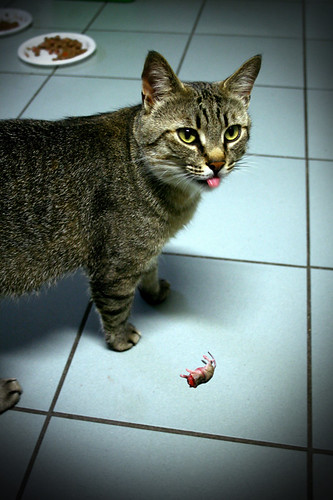
Cat Food (Tastes good) by aenimathirdeye


RedBull

Relaxation Techniques


Although I am not a cat, I have to say Fancy Feast Savory Salmon canned cat food is a fabulous product. My cats will devour a can of Fancy Feast Savory Salmon canned cat food in a matter of mere seconds, so I think it is safe to speak for them and say that this is a great product. Fancy Feast canned cat food comes in a large selection of flavors and variety.

You can find Fancy Feast Savory Salmon canned cat food sliced, grilled, flaked and traditional mashed varieties. There are actually over fifty different varieties of Fancy feast canned cat food. There is a choice out there for every cat. Fancy Feast Savory Salmon canned cat food is of the flaked variety and the texture seems to appeal greatly to both of my cats. If I had to guess their favorite feature, I would have to say it is the flaked texture of this cat food. I have tried giving them chopped cat food and mashed cat food with no luck. The chopped pieces seem to be too large and are not so easily digestible. The mashed varieties of cat food don’t seem to be appealing at all. I guess they want to feel like they are chewing on something.

Fancy Feast Savory Salmon canned cat food is a healthy and safe product to feed your cat. Fancy Feats is made by Purina, a well-known pet food company that has the health and well being of your pets as their number one goal. Fancy Feast Savory Salmon canned cat food uses quality ingredients compared to other cheaper canned cat foods. Cheap canned cat foods can lead to urinary track infections and other health problems during the life of your cat. If you are going to invest in canned cat foods for your pets, you should take the time to read the labels and look for quality ingredients. It will save you time and money at the vet’s office.

Personally I could not live without Fancy Feast Savory Salmon canned cat food for a number of reasons. I work at home and it can often be a chore to get my overly affectionate and attention-seeking cats to leave me alone. If I feed them a can of Fancy Feast Savory Salmon caned cat food they are satisfied, full, and are soon lulled into a sleepy food coma that seems to resemble the one I achieve every year at Thanksgiving. I believe it is a true test of how good a feast was if it can create a great and wonderfully fulfilling nap!

Fancy Feast Savory Salmon canned cat food can be found at the grocery store and almost every pet store I have every seen. A can cost upwards of $0.50, so try looking for the cases. This will definitely save you a little money. You can even find a variety pack of Fancy Feast canned cat food at Sam’s Club.


Energy Drinks

Fight for Food! by Sizzo-grafy


5 Hour Energy

Relaxing


As a cat lover and owner, you want the best for your cat. They're just like humans- the more nutrients and minerals they get from their food, the healthier they are. But cats can be picky eaters. Of all the store-bought brands of cat food on the market, one of my furry friends, Kermit, will only eat Meow Mix™, period. Fortunately, he will eat the homemade cat food recipes I make for him, so I know he's getting the foods he needs to keep him strong and healthy. Basically, cats prefer homemade cat food with meat, poultry, and dairy products. They don't know it, but they also need some vegetables in their daily diets as well. What they never need is onions, starchy vegetables, like peas and corn, salt, sugar, chocolate, fruits, nuts, mushrooms, caffeine, spices, peppers, and bones. Cats can usually chew up and digest soft, canned salmon bones, but they can't handle chicken and other hard, small bones.

Here's a healthy, homemade cat food recipe for Chicken Soup for Cats:

Boil a pound or two of chicken parts such as livers, hearts, and giblets in a pan of water on the stove. Or, use the same amount of boneless, skinless chicken breasts instead. Either one works fine, but the latter is more expensive to buy.

Boil the chicken until it's tender and is cooked thoroughly. Then, stir in a cup of steamed green beans. Add the mixture to your food processor or blender. Grind it up or turn it into a puree, whichever your cat prefers. Then, add enough chicken broth to make a soup, and serve.

Store any leftover Chicken Soup or other homemade cat food in an airtight container in your refrigerator for up to a week. None of my cats like cold food straight from the refrigerator, so I place a serving of the food on a microwave- safe paper plate. I then nuke it on medium power for approximately ten seconds. (The exact time will depend on the wattage of your microwave oven.) The homemade cat food isn't hot, but it isn't chilly anymore either.

My Tuna 'n Egg Kitty Casserole is one of Kermit's favorite feasts. The ingredients are one can of tuna fish in oil- don't drain it- and a scrambled egg or two, depending on their size. Then, simply mix the tuna fish in with the egg and mix it together well.

Note: Does your cat have a problem with Diarrhea? If so, simply mix a cup of cooked white or brown rice into any of these recipes. The rice will help to bind their bowels and stop the problem naturally without giving them drugs.

A little garlic powder sprinkled into a cat's homemade food can help deter bothersome fleas too.
Cheese and Macaroni Surprise is another recipe your cat will love, especially if they have a penchant for dairy products. Boil some macaroni (following the package directions to make a couple cups) until it is tender; drain. Melt a chunk of Velveeta™ cheese product in your microwave oven on low power. Then, mix the cheese into the macaroni. Add enough milk so it's smooth and not sticky. Then toss in a handful of any chopped or sliced meat or poultry food your cat likes. Grind it up and serve it to your feline.

Since most cats adore chicken, liver, turkey, fish, lamb, and veal, you can use any of these meats and poultry foods to make up your own homemade cat food recipes. Just remember to cook their food thoroughly. And, either cut the meats and poultry into small, thin slices, or grind or puree it in your food processor or blender.

And finally, remember to rotate your kitty's homemade food choices. If you feed him or her the same food every day, they tire of it quickly.


Energy Drinks

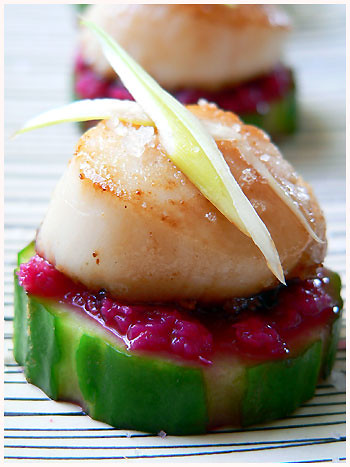
Amuse bouche à la coquille St Jacques et au raifort- Scallop Horseradish Finger Food by La tartine gourmande


Pressure Sensitive Labels